Neurodevelopmental assessment
Neurodiversity-affirming, comprehensive assessment
Eastern Blue-tongue Lizard(Tiliqua scincoides)
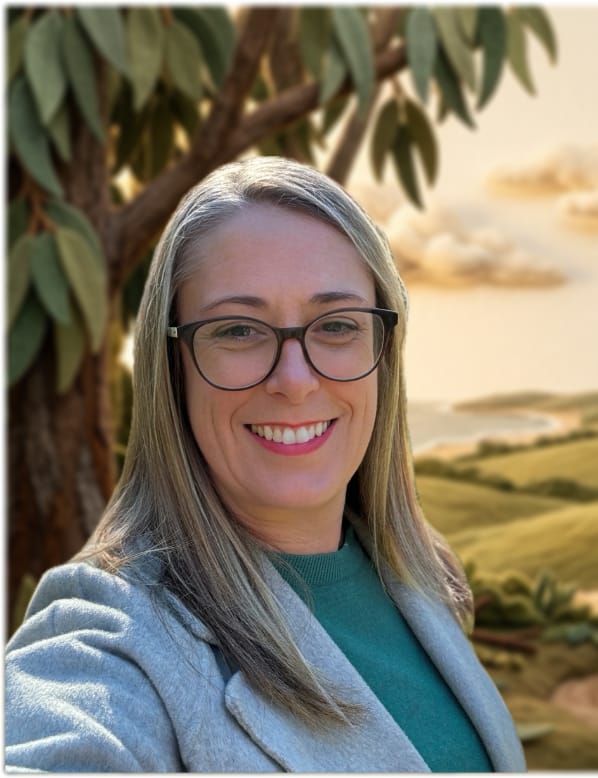
I am neurodiversity-affirming, recognising that neurological differences are natural variations that deserve understanding. The assessment process is collaborative, focused on your family's goals and your child's wellbeing.
My assessments are comprehensive because your child's story has depth. Understanding what's truly driving your child's experiences, not just what it looks like on the surface. This is how we find the right diagnosis and create strategies that fit. This is especially important when symptoms overlap, co-occur, or don't fit a single straightforward pattern.
Who is this assessment for?
Children 6–12 and young people 13–25 experiencing challenges like these:
What conditions do you assess?
I assess for the following conditions, including differential diagnosis and co-occurring presentations:
- Autism Spectrum Disorder
- ADHD (all presentations)
- Giftedness and twice-exceptionality (2E)
- Specific Learning Disorders (dyslexia, dyscalculia, dysgraphia)
- Intellectual Disability (Intellectual Developmental Disorder)
- Anxiety and mood disorders affecting development
- Neurological, genetic, and medical conditions impacting cognition and behaviour
As a Clinical Neuropsychologist, I assess how brain-based differences affect learning, behaviour, and development, not just whether symptoms match a checklist. This is particularly important when presentations are complex, atypical, or involve multiple co-occurring conditions: such as twice-exceptionality, where giftedness can mask learning difficulties, ADHD, or autism (or vice versa).
What does an assessment investigate?
A comprehensive picture across six key areas of development
Social Interaction
- Building and maintaining friendships
- Reading social cues and body language
- Reciprocal conversation skills
- Navigating group dynamics and adapting to change
Cognitive Skills
- Verbal reasoning and problem solving
- Non-verbal and visual spatial thinking
- Fluid and inductive reasoning
- Speed of thinking
- Working memory and attention
- Executive functioning (planning, organisation, task initiation, cognitive flexibility and self-monitoring)
Learning & Academic
- Reading, writing and fine motor skills
- Mathematics
- Memory and attention
- Academic strengths and challenges
Behaviour & Emotional Regulation
- Managing big emotions, mood and anxiety
- Impulsivity and flexibility in thinking
- Repetitive behaviours and routines
- Sensory sensitivities and responses
- Coping strategies and self-awareness
Sensory Processing
- Touch, sound, visual and movement sensitivities
- Sensory seeking or avoiding behaviours
- Impact on daily functioning and participation
Strengths & Wellbeing
- Personal strengths and interests
- Self-concept, identity and self esteem
- Wellbeing and quality of life
Assessment options and fees
Comprehensive neurodevelopmental assessment
Every assessment includes comprehensive neuropsychological testing, clinical and developmental interviews with your child and family, teacher questionnaires, review of medical history and school reports, assessment for co-occurring conditions, and a results feedback session.
You will receive a detailed diagnostic report, personalised recommendations, a school support letter, and an NDIS support letter if applicable.
Autism spectrum assessment
When autism is being queried, the assessment is extended to include autism-specific neuropsychological testing, validated questionnaires, sensory differences and social communication exploration, and comprehensive differential diagnosis considering co-occurring conditions. The total for a combined assessment is $3,400.
The assessment journey
-
1
Initial consultation
Free 15-minute call to discuss your needs and confirm fit
-
2
Service agreement
Sign the service agreement and return your history forms and questionnaires
-
3
Caregiver interview
In-depth interview with you about history, observations, and goals for the assessment
-
4
Sessions with your child
Testing and observation across two to three appointments, with teacher input gathered alongside
-
5
Feedback session
Results, formulation, and recommendations discussed in person
-
6
Your report
Comprehensive written report and any support letters delivered digitally
Common questions
How long does a full assessment take?
A comprehensive assessment typically involves 6–9 hours of direct testing with your child, spread across two to three sessions of 2–3 hours each to prevent fatigue. When the autism spectrum extension is added, an additional ~2 hour session is included. The entire process, from initial consultation to receiving your report, usually takes 6–8 weeks.
Will my child need to prepare for the assessment?
No special preparation is needed. Just ensure your child is well-rested and has eaten before sessions. We'll handle everything else, including breaks and accommodations as needed.
What if my child is anxious about testing?
This is completely normal and expected. I have substantial experience in working with anxious children and will take time to build rapport, explain everything clearly, and can modify the environment to help your child feel comfortable.
Can I stay with my child during testing?
Testing typically works best one-on-one, with parents nearby but not in the room. This helps ensure accurate results and allows your child to show what they can do independently. That said, I'm flexible. For very anxious children or younger kids, you can absolutely stay if that's what your child needs to feel comfortable.
Take the first step toward understanding
Book your initial consultation to discuss your child's needs and how a comprehensive assessment can help.